
Carbon market, corporate reporting, SBTi V2 standard, EU CRCF regulation: four things changed in 2026 for forest carbon contribution. A look at a framework that has become more readable, and at what it opens up for companies wishing to finance French forests.
Forest Journal
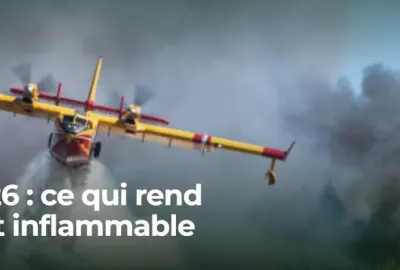
68,000 hectares burnt in 2026. Depleted soils, flash droughts, the condition of the stands: the factors that make a forest highly flammable long before the first spark.
The new SBTi V2 standard sets out a clear path: reduce emissions first, but also fund forest conservation through the OER programme. What changes before and after 2035, and where do forest credits fit in – explained without the jargon.
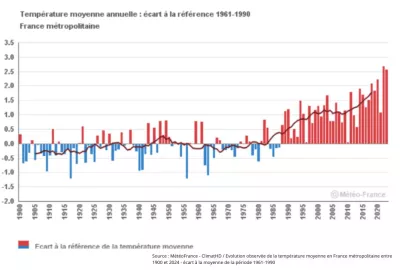
May 2026: 292 records broken – a month not seen since 1947. What does science tell us about forests in the face of the 2026 heatwave, and how can we adapt them?
With SBTi V2.0, a milestone is set for 2035: 40% of ongoing emissions will have to be covered by verified removals or reductions, up to 83% of which can still come from forests. LBC projects launched today will be in full sequestration by then.
Since 2025, the CSRD has required large companies to publish a legally binding climate report — where LBC credits are recognised as a verified voluntary contribution. In September 2026, the EU anti-greenwashing directive will come into force across the entire Union. The LBC is structurally aligned with these new requirements.