
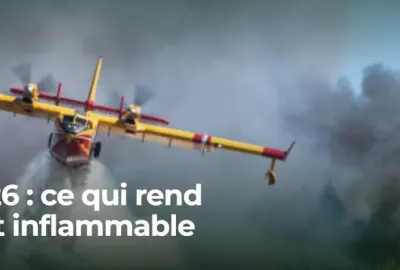
68,000 hectares burnt in 2026. Depleted soils, flash droughts, the condition of the stands: the factors that make a forest highly flammable long before the first spark.
The new SBTi V2 standard sets out a clear path: reduce emissions first, but also fund forest conservation through the OER programme. What changes before and after 2035, and where do forest credits fit in – explained without the jargon.
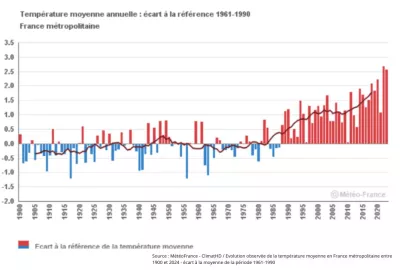
May 2026: 292 records broken – a month not seen since 1947. What does science tell us about forests in the face of the 2026 heatwave, and how can we adapt them?
Since 2025, the CSRD has required large companies to publish a legally binding climate report — where LBC credits are recognised as a verified voluntary contribution. In September 2026, the EU anti-greenwashing directive will come into force across the entire Union. The LBC is structurally aligned with these new requirements.
This article explains the new rules for the Low Carbon Label set out in the decree of 5 September 2025 and outlines how companies must report and communicate on their carbon credits depending on the intended use — contribution, voluntary offsetting or mandatory offsetting.
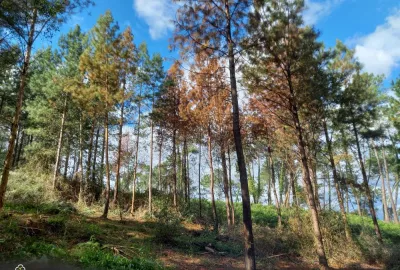
In the face of declining public funding for climate adaptation, particularly in the forestry and timber sector, the article shows how the state’s withdrawal makes it essential to mobilise private funding in order to preserve France’s forests and strengthen their resilience.
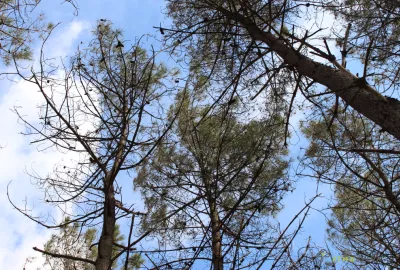
Since the abrupt suspension of France Nation Verte in late 2025, this article shows how, in the face of forests in crisis and the collapse of the carbon sink, Atmosylva is relying on private funding (the Low-Carbon Label and adaptive sponsorship) to continue the urgent adaptation of France’s mountain ranges
This article describes how the latest report from the Economic Analysis Council proposes to incorporate the true value of forest services – particularly carbon and co-benefits – into national accounts, in order to better guide public policy and promote adaptive forestry projects such as those led by Atmosylva
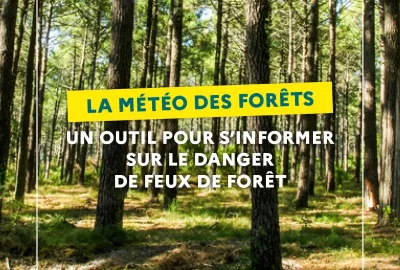
"La Météo des Forêts" is a tool developed by Météo-France that provides daily updates on fire risk based on weather conditions and vegetation dryness. It aims to raise public awareness and promote good habits to prevent fires, especially during the summer months.