
€3,60 (Incl. VAT)
Enrichment planting and guided natural regeneration - Machault (77)
Le Projet
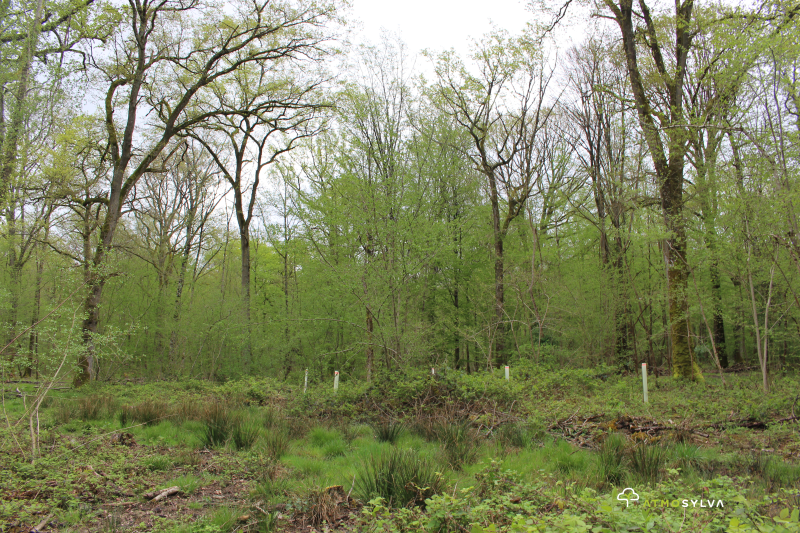
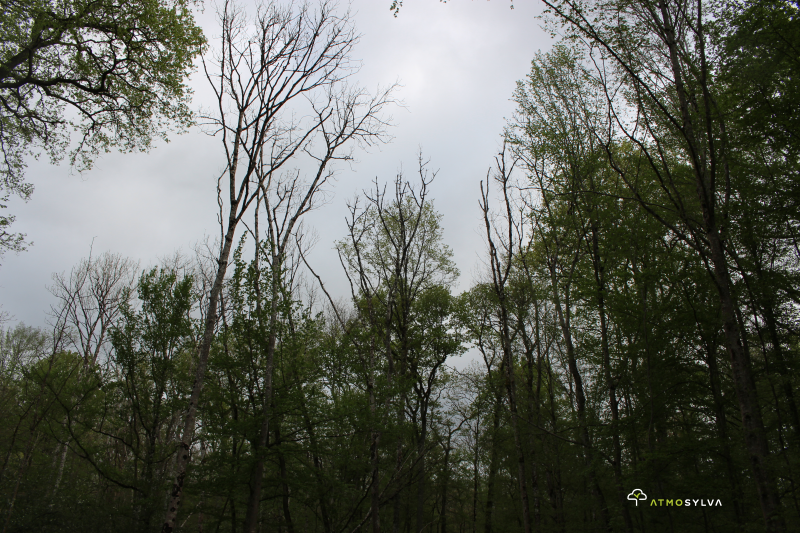
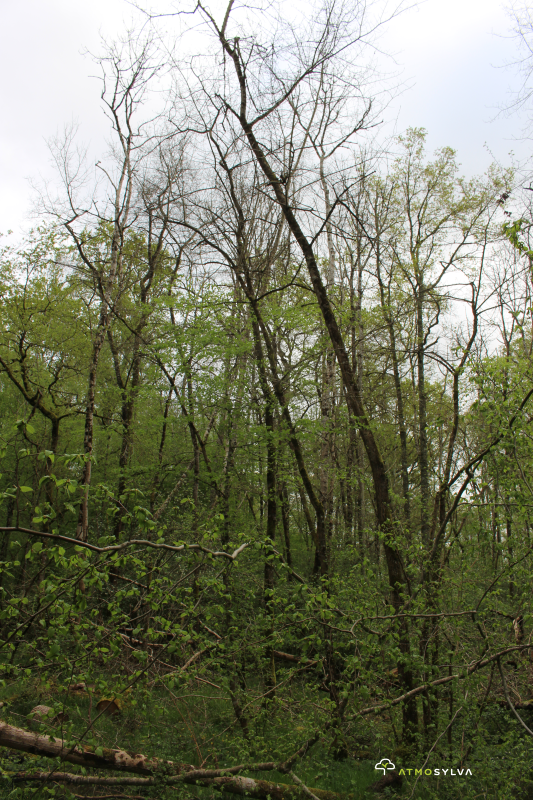
The project involves reforestation covering an area of 36.28 hectares in Machault in Seine-et-Marne (77), 10 km north-east of Fontainebleau, in the south-west of Brie. It aims to restore and diversify stands weakened by ash dieback, a disease that has caused high mortality over the past 10 to 15 years, leaving depleted areas consisting mainly of coppice with few high-forest trees.
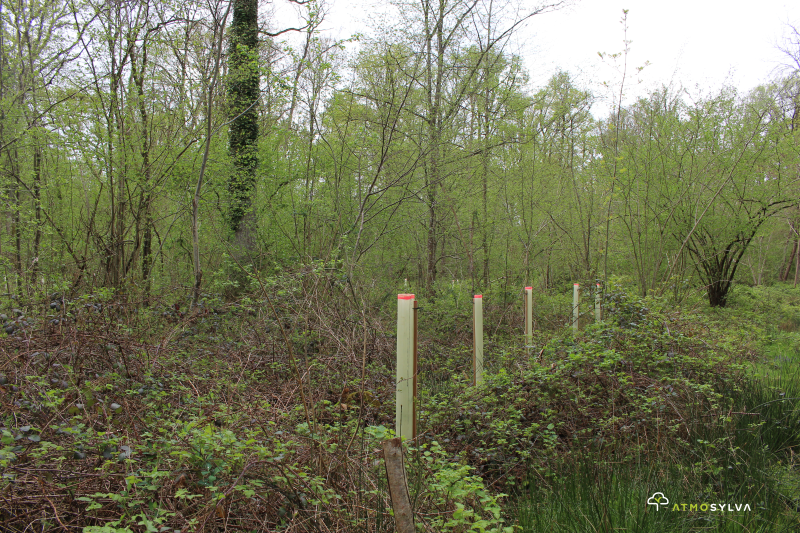
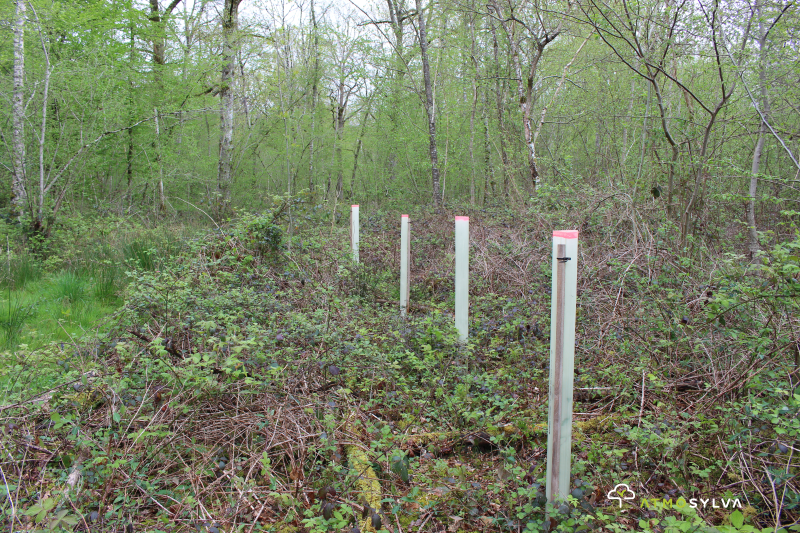
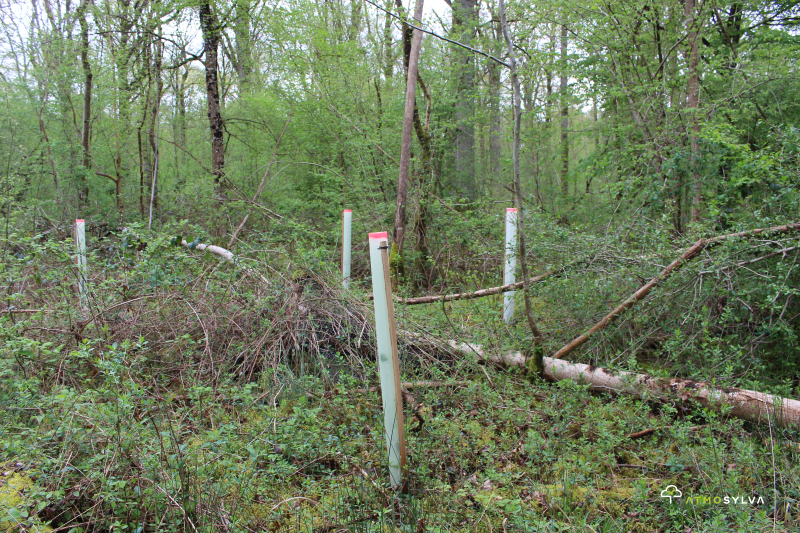
Planting of 4,510 seedlings of four species (sessile oak, field maple, wild service tree, hybrid chestnut) via 110 plots of 5 seedlings, with the aim of diversifying the mix of species and initiating the conversion to an irregular high forest with continuous cover, geared towards the production of large, high-quality timber while preserving existing habitats. In addition, the natural regeneration of existing deciduous species is being supported on approximately 10% of the area (3.6 hectares), divided into small islands, in order to enhance the standing capital and strengthen the genetic diversity of the stands, ensuring resistance to pathogens..
Seine-et-Marne Department
Machault is a commune in Seine-et-Marne, in the south-west of the Brie and Tardenois sylvoecoregion — a predominantly agricultural area (63%), with 27% forest cover consisting mainly of deciduous trees. Approximately 4 kilometres from the project, the Fontainebleau forest is a continuation of the Valence and Villefermoy forests, forming a corridor between these large massifs as part of the green and blue belt. The department is also one of the most vulnerable to fire risk by 2040, reinforcing the urgent need to adapt forest stands.
The project is located on a biodiversity reservoir of the ‘afforestation’ type and on an ecological corridor of the wooded sub-network, identified by the Île-de-France SRCE. It is located near the type II ZNIEFF (Natural Area of Ecological Interest, Fauna and Flora) ‘Bois de Valence et de Champagne’, one of the most remarkable sites in Île-de-France for its rich flora and fauna, including peat bogs classified as type I ZNIEFF.
Number of trees remaining for the project
858
Price including VAT of a tree to plant
€3,60 (Incl. VAT)
Project actions
Plantations for enrichment by planting (oak and valuable hardwoods) and work to support natural regeneration on 3.6 hectares.